

Preparing Your European Car for the Challenges of Winter

Get Your European Car Ready for Cold Mornings and Winter Trips Your BMW takes longer to start on a chilly morning. Your Mercedes’ tire-pressure warning appears before work. Or you are planning a winter trip and wondering whether your Audi is ready for conditions colder than those around Las Vegas. These concerns deserve a closer look, but they do not automatically mean you need new parts. Cooler weather can reveal a developing problem, while some seasonal changes simply require checking and adjustment. European car winter maintenance should begin with your service history, battery condition, tires, coolant, oil, lights, and windshield visibility. Then address symptoms through testing before deciding on repairs. Here is a practical sequence to help you prepare without…
Read More

Car Heater Blowing Cold Air? Common Causes in Las Vegas

Cold Air From the Vents? What Your Car Heater Is Trying to Tell You You turn the temperature up on a chilly Las Vegas morning, wait for the engine to warm up, and expect warm air from the vents. Instead, you get cold air, weak airflow, or heat that seems to come and go. It is easy to assume the heater itself has failed. But when a car heater is not working properly, the cause may be somewhere else in the vehicle. Your heater depends on several systems working together. Engine coolant, the thermostat, heater core, blower motor, climate controls, doors inside the HVAC case, and electrical components can all affect cabin heat. That is why replacing parts based on…
Read More

How to Prepare Your European Car for Fall Weather

Fall in Las Vegas may not bring heavy snow or weeks of freezing weather, but the seasonal transition can still affect your European vehicle. Daytime heat may linger while mornings and evenings become cooler, creating temperature changes that influence tire pressure, battery performance, rubber components, and fluid levels. European vehicles also rely on closely integrated electronic, mechanical, and safety systems. A warning light, weak battery, worn tire, or overdue fluid service can affect more than one area of the car. At Frank’s European Service, we recommend preparing your vehicle before the season changes so you can address developing maintenance needs before holiday travel and cooler-weather driving begin. How Do You Prepare a European Car for Fall Weather? To prepare a…
Read More
Why Choosing the Right Parts Matters for Your European Car

Why Choosing the Right Parts Matters for Your European Car

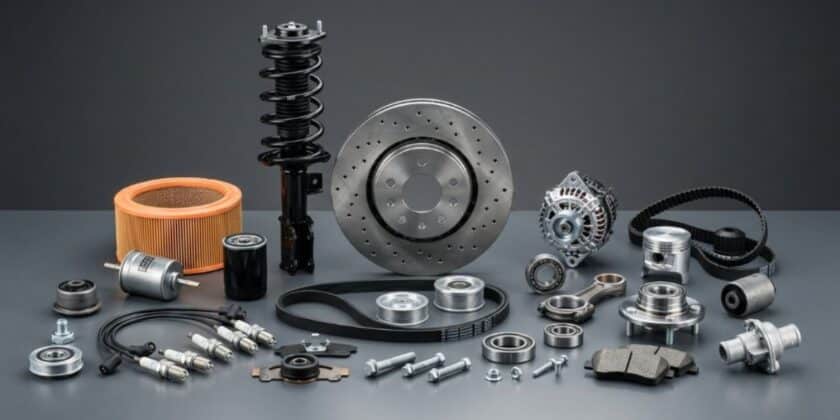
Driving your European car requires precision, and selecting the right replacement parts is more than just a cost decision; it impacts performance, reliability, and long-term vehicle health.  At Frank’s European Service, we help Las Vegas drivers understand the differences between OEM and aftermarket parts so they can make informed decisions that keep their BMWs, Mercedes, Audis, and other European vehicles running at peak performance. Whether it’s a brake pad, suspension component, or engine part, choosing wisely ensures your vehicle maintains its handling, safety, and factory-quality feel. In this blog, we’ll guide you through the differences, advantages, and potential drawbacks of OEM and aftermarket parts, along with practical advice for selecting the right components for your car. Understanding OEM Parts OEM…
Read More
Why Your Car Pulls to One Side: Causes and Concerns

Why Your Car Pulls to One Side: Causes and Concerns

Driving should feel smooth, balanced, and effortless. But if your car drifts to one side while you’re cruising down the road, it’s more than just an annoyance; it’s a potential safety concern. At Frank’s European Service, we see this issue frequently, especially with our European car clients in Las Vegas and Henderson. In this blog, we’ll explain why your car might pull to one side, what it means for your alignment and suspension, and how our team ensures your vehicle stays safe, comfortable, and reliable. Why Your Car Pulls to One Side When your car doesn’t track straight, several factors could be at play. Most drivers first suspect uneven tire pressure, but the problem often runs deeper into your vehicle’s…
Read More