



Driving your European car requires precision, and selecting the right replacement parts is more than just a cost decision; it impacts performance, reliability, and long-term vehicle health.
At Frank’s European Service, we help Las Vegas drivers understand the differences between OEM and aftermarket parts so they can make informed decisions that keep their BMWs, Mercedes, Audis, and other European vehicles running at peak performance.
Whether it’s a brake pad, suspension component, or engine part, choosing wisely ensures your vehicle maintains its handling, safety, and factory-quality feel. In this blog, we’ll guide you through the differences, advantages, and potential drawbacks of OEM and aftermarket parts, along with practical advice for selecting the right components for your car.
Understanding OEM Parts
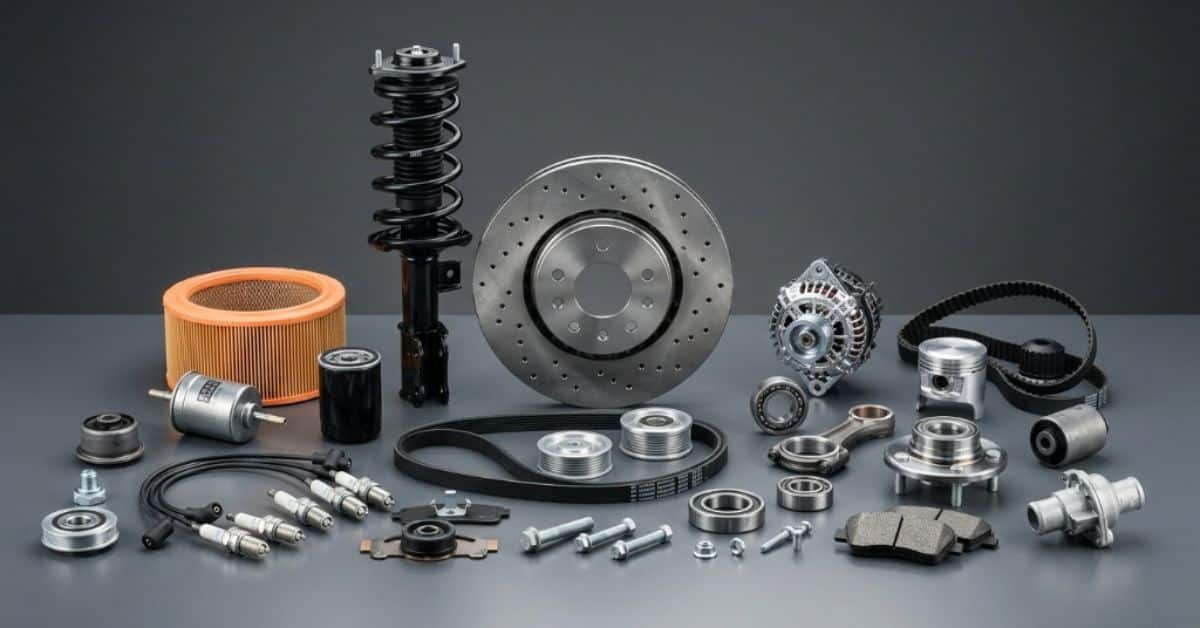
OEM parts are produced by the manufacturer that made your car. For instance, a Mercedes brake rotor from Mercedes-Benz or a BMW timing belt from BMW. These parts are built specifically for your vehicle, guaranteeing the right fit, performance, and safety.
Advantages of OEM Parts
- Perfect Fit: OEM components match factory specifications exactly, minimizing installation issues.
- Consistent Performance: Designed for your vehicle’s engineering, they maintain the original driving experience.
- Warranty Protection: Many OEM parts come with manufacturer warranties, providing added peace of mind.
- Long-Term Reliability: Using OEM parts helps maintain your car’s resale value, particularly for European luxury vehicles.
At Frank’s European Service, we recommend OEM parts for critical systems like brakes, suspension, and engine components. You can learn more about our European Vehicle Maintenance services, where OEM replacements are often the best choice for long-term performance.
Potential Drawbacks of OEM Parts
- Higher Cost: OEM parts generally come at a premium.
- Availability: Some parts may require longer lead times for delivery.
Understanding Aftermarket Parts
Aftermarket parts are made by third-party manufacturers, not the car maker. They often aim to provide similar functionality at a lower cost. Many aftermarket brands create high-quality components for European vehicles, though quality can vary.
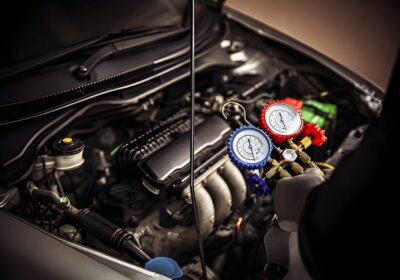
During a suspension inspection, we examine every component for wear or damage. European cars often require specialized tools and expertise to maintain their precision handling.”
Advantages of Aftermarket Parts
- Cost-Effective: Usually less expensive than OEM, which can make repairs more affordable.
- Variety: Offers multiple options, including performance upgrades or enhanced durability.
- Availability: Easier to source, especially for common repairs like filters, brake pads, or spark plugs.
For example, a high-quality aftermarket air filter can perform just as well as an OEM part for your BMW or Mercedes, and often at a lower price. At Frank’s, we evaluate every aftermarket component for quality before recommending it, ensuring it meets European engineering standards.
Potential Drawbacks of Aftermarket Parts
- Variable Quality: Not all aftermarket parts meet OEM precision standards.
- Fitment Issues: Some may require adjustments for proper installation.
- Warranty Considerations: Certain aftermarket parts could impact manufacturer warranties.
How to Decide Between OEM and Aftermarket Parts
The right choice depends on your vehicle’s needs, driving habits, and repair type. At Frank’s European Service, we guide our clients using these criteria:
1. Critical vs Non-Critical Systems
- Critical: Brakes, suspension, engine, and transmission parts are generally best as OEM to maintain safety and performance.
- Non-Critical: Filters, belts, or minor body components may be suitable for high-quality aftermarket replacements.
2. Vehicle Age and Condition
- Newer Cars: OEM parts help preserve performance and warranty coverage.
- Older Vehicles: Aftermarket parts can provide cost savings without compromising safety, particularly if the car is out of warranty.
3. Performance Goals
- Some aftermarket parts, such as upgraded brake pads or performance air filters, can improve your car’s capabilities.
- We balance cost, performance, and long-term reliability, ensuring your European vehicle drives as designed.
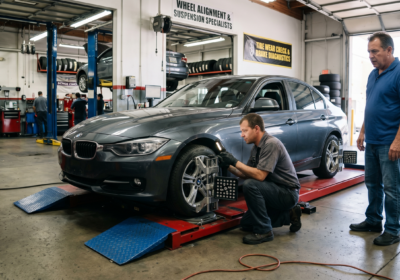
“We use dealer-level equipment for wheel alignment, ensuring each part—OEM or aftermarket is installed precisely for optimal performance.”
Why Frank’s European Service Helps You Make the Right Choice
At Frank’s European Service, we understand the value and intricacy of European vehicles. Our approach ensures you get the right part for your car, whether OEM or aftermarket:
- Expert Guidance: We evaluate your vehicle, driving habits, and repair needs before recommending parts.
- Precision Installation: All parts are installed using dealer-level equipment for exact fit and performance.
- Transparent Pricing: We provide cost comparisons and explain the pros and cons of each option.
- European Expertise: BMW, Mercedes-Benz, Audi, Jaguar, VW, we know which parts are best for your specific model.
Choosing parts is not just about price; it’s about long-term reliability, safety, and performance. We help you make informed decisions so your vehicle performs like the day you drove it off the lot.
Tips for Maintaining Your European Vehicle After Repairs
- Schedule regular maintenance to ensure replaced parts perform correctly.
- Keep service records for warranty and resale purposes.
- Consult experts before aftermarket upgrades.
- Maintain tires, brakes, and fluids to complement any replacement work.
Following these tips ensures that both OEM and aftermarket parts continue to function optimally, keeping your European vehicle safe and reliable.
Frequently Asked Questions
Will aftermarket parts damage my car?
Not if they’re high-quality. Our team inspects and tests all aftermarket components before installation to ensure proper function.
Do OEM parts increase resale value?
Yes. Maintaining factory-spec components demonstrates proper care and builds trust with future buyers, especially for luxury European cars.
Are aftermarket parts always cheaper?
Most are, but some performance-focused aftermarket components can cost as much as OEM. Cost savings should never compromise safety or fit.
Can I mix OEM and aftermarket parts?
Yes. Many clients use OEM for critical systems and aftermarket for non-essential parts. We ensure this combination is safe and effective.
How do warranties differ between OEM and aftermarket parts?
OEM parts usually have a manufacturer-backed warranty. Aftermarket parts may have limited or no warranty. At Frank’s, we only recommend aftermarket parts that meet warranty standards.
Are OEM parts better for European cars than aftermarket?
For complex European systems, OEM is generally safest, especially for precision-engineered components. Aftermarket parts may suffice for less critical items.
How can I tell if an aftermarket part is high quality?
Check brand reputation, certifications, and expert recommendations. We only install aftermarket parts that meet or exceed OEM standards.
Drive with Confidence
Whether you choose OEM or high-quality aftermarket parts, the key is making informed, expert-guided decisions. At Frank’s European Service, we combine European car expertise, honest advice, and professional installation to keep your vehicle performing at its best.